01
Both People Attend Sessions
Unlike individual therapy, couples therapy involves both partners in the room (or on screen for online sessions). Your Regina therapist maintains neutrality and helps both people feel heard.

You’ve probably tried talking it out. Maybe you’ve read articles or gotten advice from friends. But some relationship problems need more than good intentions and date nights.
Couples counselling at Lebell Counselling & Psychology helps partners understand what’s really happening beneath the surface conflicts and develop better ways to handle disagreements.
The topic changes, but the pattern stays the same. One person gets defensive, the other withdraws, and nothing gets resolved. We help you recognize these cycles and create new ways to communicate.
The connection is gone. You manage the household and raise kids together, but the emotional and physical intimacy has disappeared. Marriage counselling helps you figure out if that spark can be rebuilt.

Infidelity, broken promises, or repeated letdowns. Rebuilding trust requires more than apologies; it needs a structured approach with professional guidance.
New baby, job loss, aging parents, health issues. Major stressors can derail even strong relationships. Having a neutral space to process these challenges helps couples stay connected during difficult times.
Some couples start therapy when things are mostly good. They want better communication skills or help navigating upcoming changes like marriage, retirement, or empty nest.
Unlike individual therapy, couples therapy involves both partners in the room (or on screen for online sessions). Your Regina therapist maintains neutrality and helps both people feel heard.
Instead of relitigating who did what to whom, we look at the interaction patterns that keep you stuck. Once you understand the cycle, you can begin to change it.
Therapy sessions are just practice. The real work happens when you’re having actual conversations at home. We teach specific techniques for listening, expressing needs, and handling conflict.
Your therapist isn’t there to determine who’s right or wrong. We help both people understand how they contribute to problems and how they can contribute to solutions.

We provide affirming couples therapy for all relationships, including LGBTQ+ couples and those navigating gender transition.
Our approach respects diverse identities and relationship structures while addressing both common relationship challenges and unique concerns these couples may face.
● One person talks, the other shuts down
● Conversations that escalate into arguments
● Feeling misunderstood or not heard
● Difficulty expressing needs without criticism
● Recovering from affairs or emotional infidelity
● Rebuilding after broken promises
● Dealing with financial deception
● Learning to trust again after betrayal
● Loss of physical connection
● Different needs for emotional closeness
● Feeling like strangers in your own relationship
● Balancing independence with togetherness
● Parenting disagreements
● Career changes affecting the relationship
● Extended family conflicts
● Financial pressures creating tension
● Mismatched sexual desires or frequency needs
● Communication difficulties about sexual needs
● Loss of sexual satisfaction or interest
● Intimacy issues following betrayal or trauma
● Performance anxiety affecting the relationship
We start by understanding your relationship history and current challenges. Both people share their perspective on what’s not working and what they’d like to see change.
Most couples will meet for 80 to 90 minutes first session and then followup appointments are often 50-60 minutes. Some prefer weekly at first or bi-weekly depending on the intensity of the issues and as things progress monthly or bi-monthly. Your therapist may suggest individual counselling where needed if issues are complicated by individual issues. This may be with your couples therapist or another therapist and can be discussed if the therapist thinks it will be beneficial.
We might suggest specific conversations to have, exercises to try, or behaviors to practice. These aren’t major assignments – just small steps to build on what you discuss in therapy.
Relationship patterns develop over years. Changing them takes patience and consistent effort. Most couples see some improvement within the first few months if both people are engaged in the process.
Traditional face-to-face therapy in our Regina location. Some couples prefer the clear boundary of leaving home for their session and having that dedicated space for difficult conversations.
Video sessions work well for many couples. You can attend from home, which sometimes makes it easier to be vulnerable. Available throughout Saskatchewan for couples who can’t easily get to Regina.
Both options provide the same quality of therapy with complete confidentiality.
We can discuss strategies for encouraging participation. Sometimes starting with individual sessions can help the reluctant partner become more open to couples work.
Previous therapy experiences – good or bad – can provide valuable information about what works for you as a couple. We’ll discuss what you’ve tried before and what you might want to do differently.
You should notice some improvement in how you handle conflicts within the first few months. Progress might feel slow, but most couples can identify specific positive changes if therapy is helping.
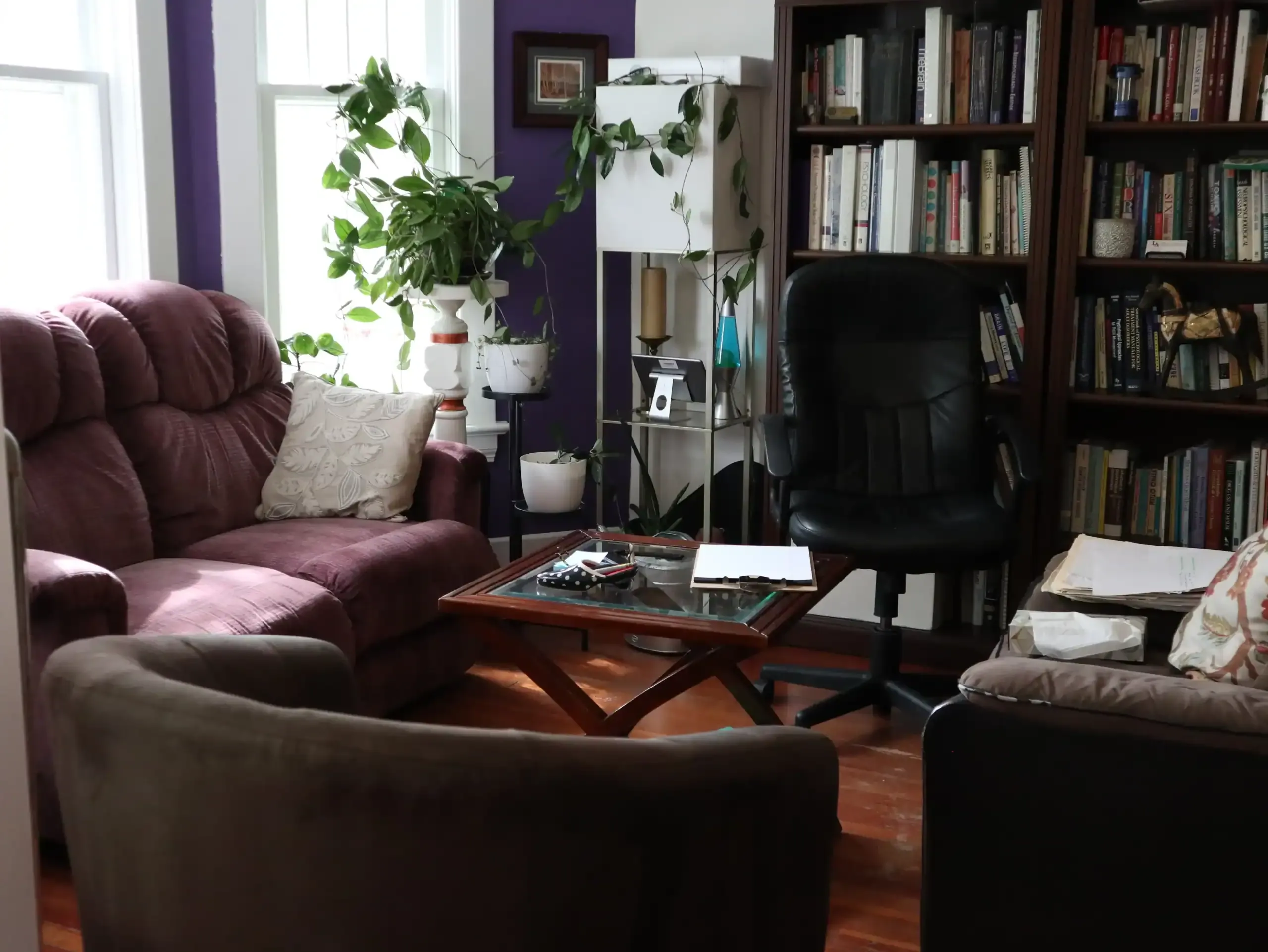
If the same conversations keep leading to the same dead ends, couples therapy can help you find new ways to connect and resolve conflicts.
Connect with a Therapist Today